Politics & Government
Green Project to Tackle Sewage Overspill
Canal nonprofit working to combat antiquated sewage system with innovative, environmentally friendly sidewalk plots.
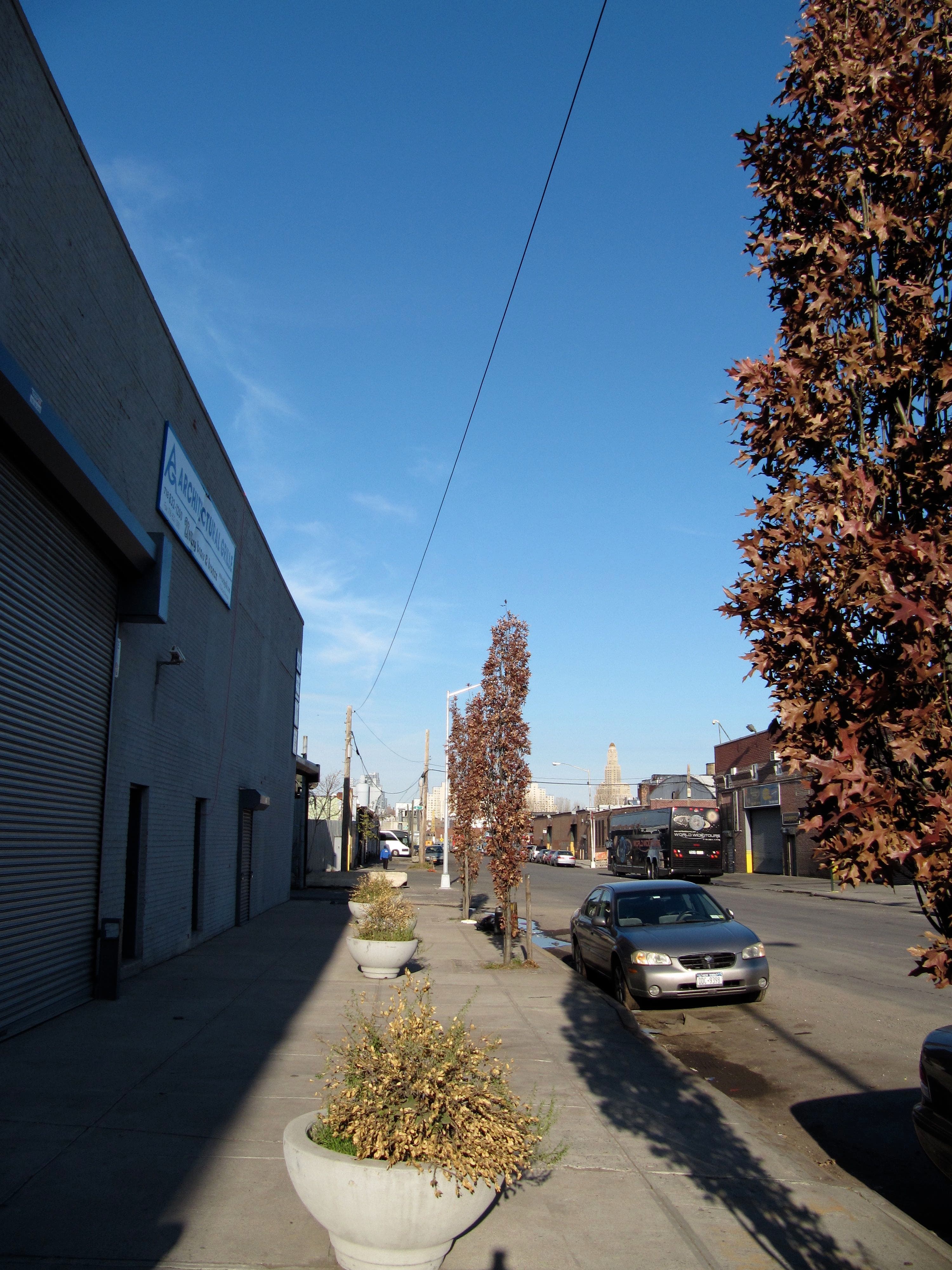


Rainy days rarely bode success for real estate agents keen to show a neighborhood at its best. But brokers handling stylish lofts or renovated apartments around Gowanus might be even more inclined to sleep in on the day after a storm.
The already notoriously polluted Gowanus Canal shares drainage pipes with the area's sewage system, creating pungent post-storm overspill. After winning funding from the New York Department of Environmental Protection this summer, the nonprofit Gowanus Canal Conservancy has been developing an environmentally friendly method to redirect the runoff.
The Conservancy won more than half a million dollars to develop its 6th Street Green Corridor Project, which will build seven "bioswales" along 6th Street and 2nd Avenue to soak up storm overspill, said Andy Simons, chairman of the board for the nonprofit. A grant of about $300,000 from the federal Environmental Protection Agency will boost that funding, Simons said, bringing the total for the project to about $800,000.
Find out what's happening in Carroll Gardens-Cobble Hillwith free, real-time updates from Patch.
The swales, similar to sidewalk tree pits but larger and set lower than ground level to intercept flowing water, will capture about 40 percent of the runoff within the seven-swale area, according to a release from the Department of Environmental Protection. That area covers about 45,000 square feet of sidewalk and street surfaces around the Gowanus. However, after only light-to-moderate storms, Simons hopes the swales will absorb 100 percent of the overspill.
Following heavy downpours at the end of summer, Simons said water coursing into the canal "sounded like a freight train."
Find out what's happening in Carroll Gardens-Cobble Hillwith free, real-time updates from Patch.
After big storms, "the water is rushing out of the pipes," he said. "It smells like polluted sewage."
Hans Hesselein, a 29-year-old Park Slope resident who has been volunteering for the Conservancy for the last few years, said the effect of storm runoff on the canal is "amazing."
"The sewage overflow points discharge below the surface of the river, so you never see the pipes, but if you look at the surface of the canal near the discharge points, there is a really violent upswelling of black sewage from underneath," he said. "It's like a submarine rising up."
The accompanying stench is "unbelievable," he added.
Since winning funding for the swales, the Conservancy has been negotiating its contract with environmental engineering company eDesign Dynamics to design them. Simons said he expects to sign the contract within the next few weeks and have the swales installed by Fall 2011.
Some swales could be as large as four feet wide by 20 or 30 feet long, he said. They will be planted with salt-friendly vegetation because of the amount of rock salt spread around the streets during winter, which gets picked up by rainwater. Conservancy volunteers will maintain the green plots.
The combined storm water and sewage system is not unique to the Gowanus. Riverkeeper, a New York advocacy group, estimates that when sewers are overwhelmed, such pipes discharge 520 million gallons of sewage into rivers and streams each week.
Combating such antiquated sewer systems with innovative, green infrastructure projects was the mandate for the New York DEP's award, which this summer earmarked a total of $2.6 million for five groups around the city. The Gowanus Canal Conservancy won $583,470 for its swales project.
Although not many people live right along the edge of the Gowanus, residents are far from immune to the consequences of the neighborhood's combined sewer system.
Simons said overwhelmed pipes could discharge not only into waterways and streets, but into houses too -- through toilets and drains.
The smell alone is sufficiently repugnant for Hesselein.
"I know there are a couple of houseboats on top of the canal and I don't know how they deal with it," he said. "For other people around there, I guess they just open the windows and wait for a breeze."
